Hurricane Storm Surge Cleanup in Venice, FL
Surge from the Gulf and the Intracoastal is Category 3 water carrying salt, sand and debris. The mitigation team removes what it soaked and dries the block and framing behind it.
(888) 621-2041Storm surge in the house? Call the Venice team.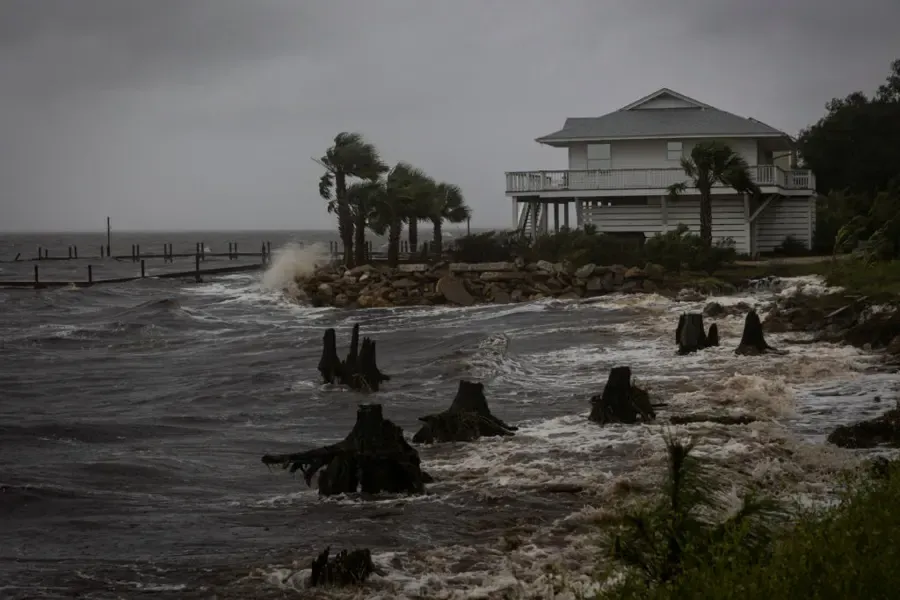
First steps for storm surge cleanup in Venice
Wait for the all-clear
Stay out until officials open the area and the power company clears the lines.
Leave the power off
Do not switch breakers back on in a home that took surge.
Photograph everything
The water line, the outside, every room, before any cleanup starts.
Call your flood carrier
Report the loss, then call the restoration team to start mitigation.
How the Venice team handles storm surge cleanup
Moisture mapped first
The tech who does the walkthrough maps moisture with pinless meters and thermal imaging before any equipment goes down.
IICRC S500 drying standard
The drying team follows IICRC S500, the industry drying standard: structural drying, not just surface drying.
Claim-ready documentation
Daily moisture readings, drying logs and timestamped photos build the file an adjuster reviews.
Gulf coast water experts
Surge, king tides, AC condensate and slab leaks are everyday calls for the Venice restoration crew.
What does storm surge cleanup cost in Venice, FL?
In Venice, FL, hurricane storm surge cleanup typically runs $6,000 to $25,000, and whole-house surge losses can pass $60,000. The drivers are the height of the water line, the square footage, how long the water sat and how much block and cabinetry is involved.
Want a closer planning number? Run the Venice water damage cost calculator. A firm figure comes from the on-site walkthrough, never from a web form.
The storm surge cleanup process, start to dry
- 1
Map
The walkthrough tech maps where the water went, wall by wall and room by room.
- 2
Extract
The extraction crew pulls standing water first, usually with truck-mounted units.
- 3
Dry
Air movers and LGR dehumidifiers run at the load each room needs, with daily readings.
- 4
Verify
Equipment leaves only when readings sit within 2 to 4 points of a dry reference.
Why surge is handled as Category 3
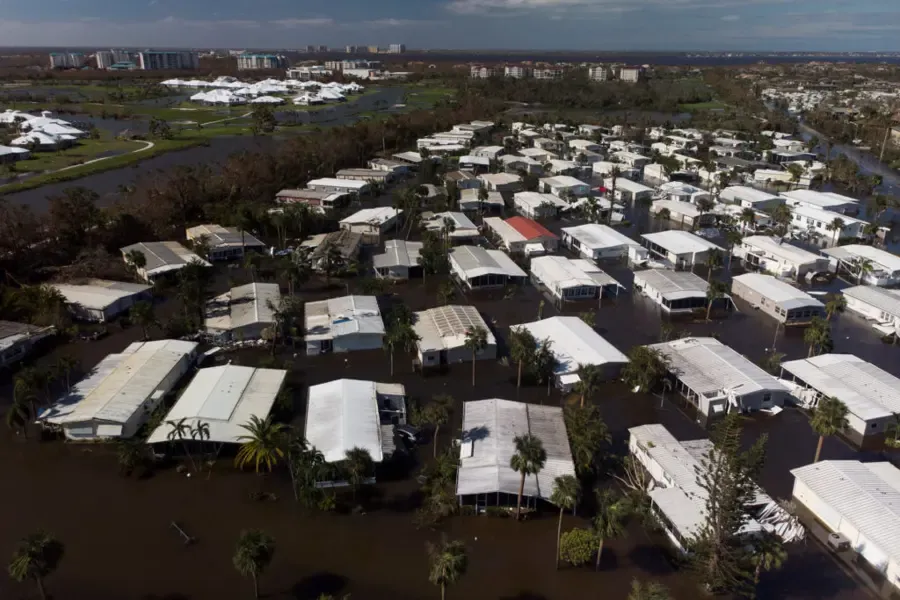
Venice sits between the Gulf of Mexico and the Intracoastal Waterway, and hurricanes such as Ian in 2022 and Milton in 2024 showed how quickly surge can reach low streets on the island, along South Venice canals and near Roberts Bay. Surge is rising water from outside, so every restoration standard treats it as Category 3.
Storm surge carries saltwater, sand, sewage from overwhelmed systems and whatever it picked up on the way in. Porous materials it touched, such as drywall, insulation, carpet and pad, get removed, not dried. The mitigation team works behind containment with HEPA air scrubbers, removes silt and debris, and applies an EPA-registered antimicrobial before drying begins.
- Flood cuts: drywall is cut above the highest wicking line, often 2 to 4 feet up.
- Base cabinets and vanities that sat in surge usually come out.
- Salt residue is washed from block and slab before drying.
Drying block walls and slab after a surge
Concrete block holds a lot of water and releases it slowly. After the wet materials are out, the drying team runs air movers and LGR dehumidifiers, and switches to desiccant units when block and slab behave like Class 4 materials. Power is often out after a big storm, so generators and careful equipment sizing matter. Readings are taken daily until the block and framing match a dry reference in an unaffected part of the home.
Documentation for a flood claim
Surge damage falls under flood coverage, such as an NFIP policy, not a standard homeowners policy. A strong file carries the water line photos, the moisture map, daily psychrometric logs and a line-item scope. Coverage depends on your policy, so it is worth checking with your own insurer. For wind-driven rain through the roof in the same storm, see roof leak water damage.
Storm surge basics from the National Hurricane Center and flood policy facts from FEMA help with planning before the next season.
Covered across Venice and south Sarasota County
The Venice restoration crew covers Venice Island, South Venice, Venice Gardens, Wellen Park, Laurel, Nokomis, Osprey, Englewood and North Port, ZIP codes 34284, 34285, 34292 and 34293.
Every neighborhood and ZIP coveredRelated water damage services in Venice

Hurricane Storm Surge Cleanup questions in Venice, FL
Is storm surge covered by homeowners insurance?
Usually not. Surge is rising water from outside, which falls under flood coverage such as an NFIP policy. Wind-driven rain through a damaged roof may be handled under the homeowners policy. Coverage depends on your policy, so it is worth checking with your own insurer.
Why does drywall have to be cut after a surge?
Surge is Category 3 water, so porous materials it touched get removed. Crews cut above the highest wicking line so the framing and block behind can be cleaned, treated and dried.
Can saltwater damage be dried like fresh water?
The structure can be dried, but salt residue and silt have to be washed off first. Salt keeps attracting moisture, so skipping that step leaves walls that never read dry.
How long does a surge dry-out take in Venice?
Framing usually dries in about a week once the wet materials are out. Concrete block and slab often take one to two weeks, longer if power is out and dehumidifiers run on generators.
Should I start tearing out drywall myself?
Photograph everything first and report the loss to your flood carrier. Wear protective gear if you move anything, because surge water is contaminated. The mitigation team documents the water line before removal.
What about mold after a hurricane?
In Gulf coast heat and humidity, mold can start inside 24 to 48 hours on wet drywall and wood. Fast removal of soaked materials and steady dehumidification are the best prevention.
Surge water inside a Venice home?
Water keeps moving into block walls, cabinets and subfloor until someone pulls it out. The extraction crew works day or night across Venice and south Sarasota County.