Water Extraction in Venice, FL
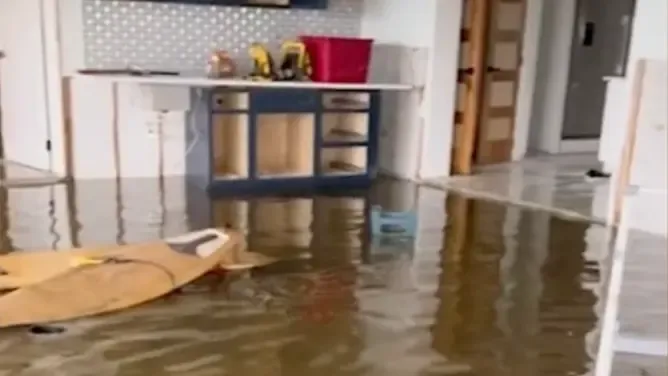
Standing water on tile or carpet keeps moving into baseboards, cabinets and block walls. The extraction crew pulls it out first, with truck-mounted units, so drying can start.
(888) 621-2041Get Venice water extraction started now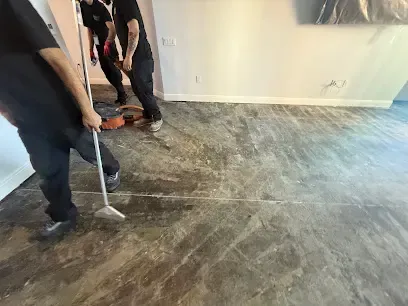
First steps for water extraction in Venice
Stop the source
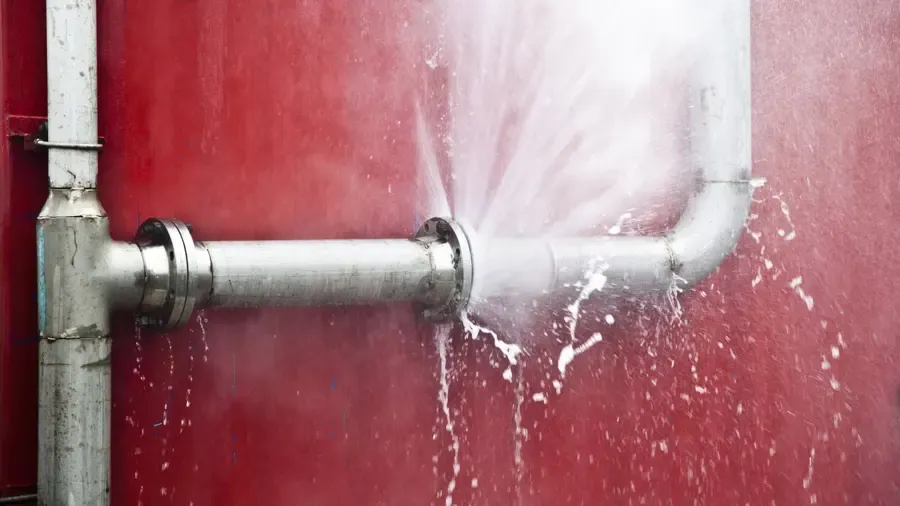
Close the main shutoff or the valve behind the fixture that failed.
Cut power to wet rooms
Switch off those breakers when the panel sits in a dry spot.
Photograph the water
Capture the water line and every wet room before anything moves.
Lift what you can
Move rugs, boxes and electronics off the floor, then call.
How the Venice team handles water extraction
Moisture mapped first
The tech who does the walkthrough maps moisture with pinless meters and thermal imaging before any equipment goes down.
IICRC S500 drying standard
The drying team follows IICRC S500, the industry drying standard: structural drying, not just surface drying.
Claim-ready documentation
Daily moisture readings, drying logs and timestamped photos build the file an adjuster reviews.
Gulf coast water experts
Surge, king tides, AC condensate and slab leaks are everyday calls for the Venice restoration crew.
What does water extraction cost in Venice, FL?
In Venice, FL, water extraction typically runs $600 to $4,500, and more when Category 3 water or a whole floor is involved. The drivers are the square footage, the water category, the flooring type and how long the water sat.
Want a closer planning number? Run the Venice water damage cost calculator. A firm figure comes from the on-site walkthrough, never from a web form.
The water extraction process, start to dry
- 1
Map
The walkthrough tech maps where the water went, wall by wall and room by room.
- 2
Extract
The extraction crew pulls standing water first, usually with truck-mounted units.
- 3
Dry
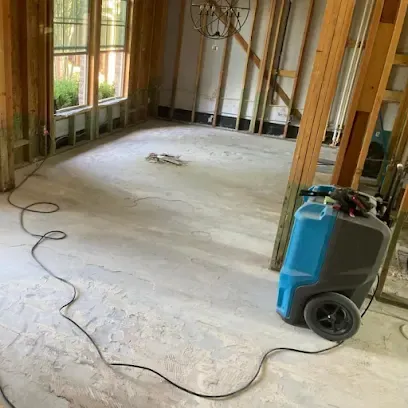
Air movers and LGR dehumidifiers run at the load each room needs, with daily readings.
- 4
Verify
Equipment leaves only when readings sit within 2 to 4 points of a dry reference.
Why extraction comes before drying
Every dry-out in Venice starts the same way: the water that can be pulled out as liquid comes out before any air mover is switched on. Extraction removes far more water in the first pass than evaporation removes in a day, which is why the extraction crew works first and the drying team follows.
Water sitting on a slab floor spreads under baseboards, into the bottom of drywall and under tile grout. Air movers cannot keep up with standing water, and running them too early just pushes humid air around the room. The extraction crew pulls the free water, then the tech who does the walkthrough maps what is still wet with pinless meters and thermal imaging.
- Truck-mounted extraction moves the water out of the building instead of into buckets.
- Weighted extraction tools press water out of carpet and pad.
- Portable units reach upper-floor condos where a truck hose cannot.
Tile, carpet and bare slab in Venice homes
Most Venice homes sit on a concrete slab, and many have tile or luxury vinyl plank over it. Water under plank flooring rarely dries in place, so the crew often lifts it to reach the slab. Carpet over pad can sometimes be saved on a clean-water loss, but pad soaked by gray or black water comes out. Where water reached the bottom of the drywall, the mitigation team opens a strip so the cavity can breathe.
Category matters from the first minute. Water from a supply line starts as Category 1, but it degrades as it sits. Storm surge and sewage are Category 3 from the start, which changes what gets extracted and what gets removed.
What happens after the water is out
Once the floor reads free of standing water, the drying team sets air movers and LGR dehumidifiers to the evaporation load of each room. Readings are logged daily, and the equipment stays until the wet materials match a dry reference. For the full drying phase, see structural drying; for flooding from outside, see flood and heavy rain cleanup.
Flood safety basics from the National Weather Service and flood insurance facts from FloodSmart.gov are worth reading before storm season.
Covered across Venice and south Sarasota County
The Venice restoration crew covers Venice Island, South Venice, Venice Gardens, Wellen Park, Laurel, Nokomis, Osprey, Englewood and North Port, ZIP codes 34284, 34285, 34292 and 34293.
Every neighborhood and ZIP coveredRelated water damage services in Venice
Water Extraction and Removal questions in Venice, FL
How fast does water need to be extracted?
As fast as possible. Clean water starts to degrade toward Category 2 as it sits, and in Venice's humidity mold can start inside 24 to 48 hours. Extraction early keeps more drywall, cabinets and flooring in place.
Can a wet-vac do the same job?
A shop vacuum removes surface water in small amounts, but it cannot pull water out of carpet pad or from under baseboards the way truck-mounted extraction and weighted tools can. It also leaves no moisture map or drying record for the claim file.
Is tile flooring safe from water damage?
Tile itself holds up, but water runs under it through grout lines and sits on the slab, and it wicks into the bottom of the walls. Readings under and around tile decide whether it can dry in place.
Does carpet always have to be replaced?
Not always. Carpet soaked by clean water and extracted early can often be dried. Pad usually comes out, and anything touched by sewage or storm surge is removed.
What does the extraction crew need from me?
Access to the wet rooms, the location of the main shutoff and electrical panel, and any photos you took before moving things. Pets and people stay out of the work area.
How is extraction different from drying?
Extraction removes liquid water. Drying removes the moisture that soaked into materials, using air movers and dehumidifiers over several days. Both are part of mitigation.
Standing water in a Venice home?
Water keeps moving into block walls, cabinets and subfloor until someone pulls it out. The extraction crew works day or night across Venice and south Sarasota County.