Structural Drying & Dehumidification in Venice, FL
Surfaces dry in a day; framing, block and slab do not. The drying team runs air movers and dehumidifiers until the readings match a dry reference, not until it looks dry.
(888) 621-2041Get the Venice structural drying started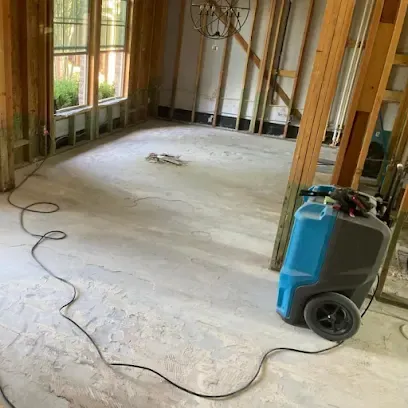
First steps for structural drying in Venice
Keep the AC running
Once the source is fixed, cool dry air helps the dehumidifiers.
Leave the equipment on
Switching air movers off stalls the drying.
Keep doors as set
The drying team closes rooms on purpose to contain the drying.
Report new stains or smells
They point to water the moisture map needs to catch.
How the Venice team handles structural drying
Moisture mapped first
The tech who does the walkthrough maps moisture with pinless meters and thermal imaging before any equipment goes down.
IICRC S500 drying standard
The drying team follows IICRC S500, the industry drying standard: structural drying, not just surface drying.
Claim-ready documentation
Daily moisture readings, drying logs and timestamped photos build the file an adjuster reviews.
Gulf coast water experts
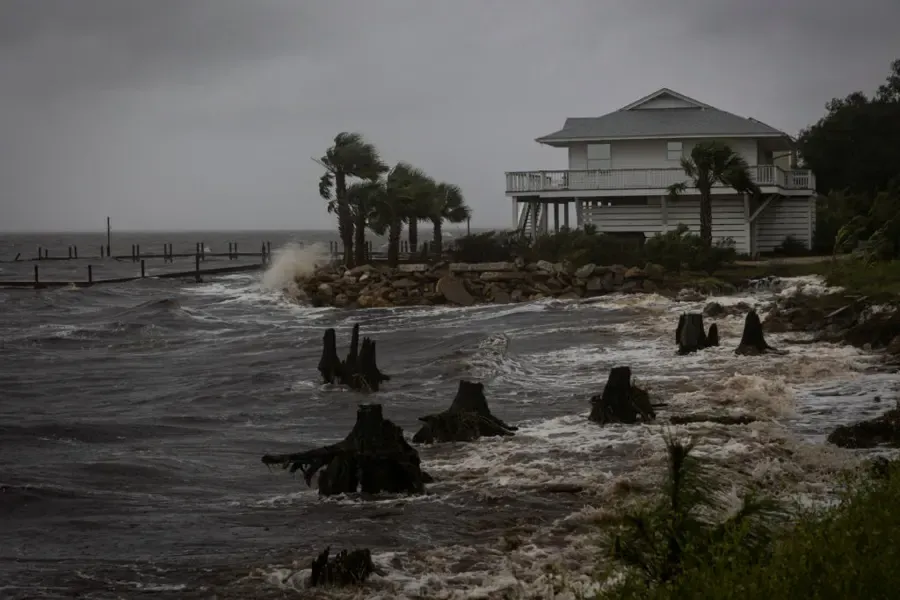
Surge, king tides, AC condensate and slab leaks are everyday calls for the Venice restoration crew.
What does structural drying cost in Venice, FL?
In Venice, FL, structural drying typically runs $1,200 to $6,000, depending on the number of rooms, the class of loss and how many days the equipment runs. Block walls and slab after a flood cost more because they take longer.
Want a closer planning number? Run the Venice water damage cost calculator. A firm figure comes from the on-site walkthrough, never from a web form.
The structural drying process, start to dry
- 1
Map
The walkthrough tech maps where the water went, wall by wall and room by room.
- 2
Extract
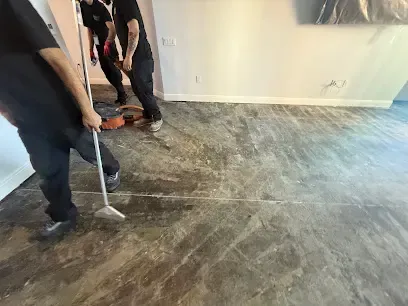
The extraction crew pulls standing water first, usually with truck-mounted units.
- 3
Dry
Air movers and LGR dehumidifiers run at the load each room needs, with daily readings.
- 4
Verify
Equipment leaves only when readings sit within 2 to 4 points of a dry reference.
How the drying plan is built
Structural drying is the part of a water loss that decides whether the problem comes back. Drywall surfaces, tile and paint can feel dry within a day, while the studs, bottom plates, block walls and slab behind them still hold water. In Venice's humid climate, that trapped moisture is what leads to swelling, odor and mold later.
The tech who does the walkthrough maps moisture in every affected room and picks a dry reference material in an unaffected part of the home. The class of loss, from Class 1 to Class 4, sets how many air movers and dehumidifiers each room needs. Class 4 means water bound deep in dense materials such as concrete block, plaster or hardwood.
- Air movers sweep moist air off wet surfaces.
- LGR dehumidifiers pull that moisture out of Florida air.
- Desiccant dehumidifiers handle dense Class 4 materials and cooler spaces.
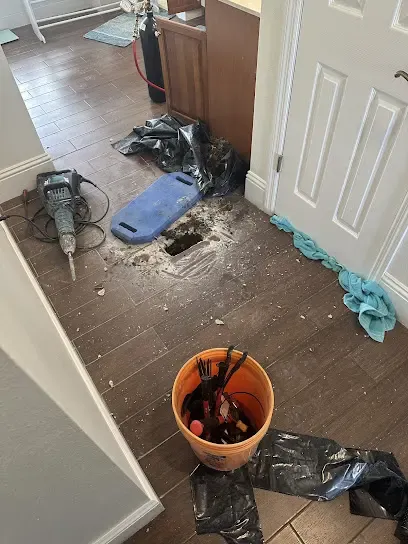
- Drying mats and wall cavity systems reach slab and inside walls.
Daily readings and the drying goal
The drying team checks moisture readings, temperature and relative humidity every day and records them in a psychrometric log. Equipment gets moved or adjusted as rooms dry at different rates. The job ends when wet materials read within 2 to 4 points of the dry reference, not on a fixed date. A contained loss usually takes three to five days; block walls after a flood take longer.
Why the logs matter for insurance
Adjusters look for the moisture map, the daily readings and the equipment list to understand what was dried and why. Coverage depends on your policy, so it is worth checking with your own insurer. Estimate your own timeline with the drying time estimator, or start with water extraction.
Moisture and humidity background from the EPA and Florida humidity research from UF/IFAS Extension explain why drying to a reading matters here.
Covered across Venice and south Sarasota County
The Venice restoration crew covers Venice Island, South Venice, Venice Gardens, Wellen Park, Laurel, Nokomis, Osprey, Englewood and North Port, ZIP codes 34284, 34285, 34292 and 34293.
Every neighborhood and ZIP coveredRelated water damage services in Venice
Structural Drying and Dehumidification questions in Venice, FL
What does structural drying mean?
Drying the building materials themselves, including studs, block, slab and subfloor, not just the surfaces. It follows the IICRC S500 standard and ends when readings reach the drying goal.
Why is the equipment so loud and warm?
Air movers push a lot of air and LGR dehumidifiers give off heat as they pull water from the air. The warmth actually helps the drying.
Can I turn the equipment off at night?
It is best not to. Every hour off lets moisture settle back into materials and stretches the dry time.
How is dry actually measured?
With moisture meters compared against a dry reference material in an unaffected part of the same home, plus temperature and humidity readings logged daily.
What is the difference between LGR and desiccant dehumidifiers?
LGR units are refrigerant dehumidifiers built to keep pulling water at lower humidity. Desiccant units use a drying wheel and work well on dense materials and in cooler spaces.
How long does structural drying take in Venice?
Three to five days for a contained loss. Hardwood, cabinets and concrete block after a flood take longer.
Walls still wet after a leak?
Water keeps moving into block walls, cabinets and subfloor until someone pulls it out. The extraction crew works day or night across Venice and south Sarasota County.